The Memory
It’s gone.
That big old wooden structure that stood for more years than most of us can remember is no longer there. To some people, it may have looked like nothing more than an aging tobacco barn—weathered boards, a tired roof, and doors that had opened and closed thousands of times. But to our family, it was so much more than a building.
That old barn housed tobacco, horses, the occasional cow, towering stacks of hay, and what seemed like an endless supply of cats. Every corner held something useful, something interesting, or something that could get a curious child into trouble. It carried the familiar smells of hay, leather, tobacco, dust, and animals—a combination that somehow smelled like home.
I could go on and on about that barn because it held so many chapters of our lives.
It was where Cathy tended to her horses, first as a child and later as an adult. Long before our family became what it is today, she walked those barn aisles, filled feed buckets, carried hay, cleaned stalls, and cared for the animals she loved. The barn watched her grow up, and in a way, it grew old right alongside her.
It was also where I learned an important lesson about “roly-poly” logs—the round poles used for hanging tobacco. I discovered rather quickly that they were not meant to be stood on for very long. One moment you thought you had your balance, and the next the log reminded you who was really in charge. That lesson became one of the many stories we could laugh about later.
The barn was a place where Cathy’s family gathered to work, play, and simply be together. It witnessed long days when there was work to be done and slower days when no one seemed to be in a hurry. It heard the voices of family members calling to one another, the laughter of children, the sounds of tools, the rustling of hay, and the steady footsteps of horses moving in their stalls.
As the years passed, the barn became part of our own family’s story.
Brady, Landon, and Alex each made memories there. They experienced the barn in their own ways and during different seasons of life, but it became part of the landscape of their childhood. Whether they were helping with chores, watching the horses, exploring the property, or just passing through on the way to another adventure, the barn was always there in the background.
Like many old family places, it quietly kept a record of their growing-up years. It watched little boys become older boys and older boys begin to find their own paths. The scratches, worn boards, and footprints in the dust were reminders that life had passed through there—and that it had passed quickly.
Then there were the horses.
Jasmine and Stormy were not merely animals that stayed in the barn. They were part of the family. Each had a personality, habits, moods, and a special way of communicating without words. The barn was where they were fed, groomed, cared for, and loved. It was where we listened to the comforting sound of them eating hay and heard their familiar calls when they knew someone was coming.
The barn also held the presence of the other horses we loved through the years—the ones who are no longer with us. Their stalls may now be empty, but their memories remain. We remember their faces looking over the stall doors, the sound of their hooves, the feel of their breath, and the many ordinary moments that did not seem extraordinary until they were gone.
That is the strange thing about memories: we often do not realize we are making them.
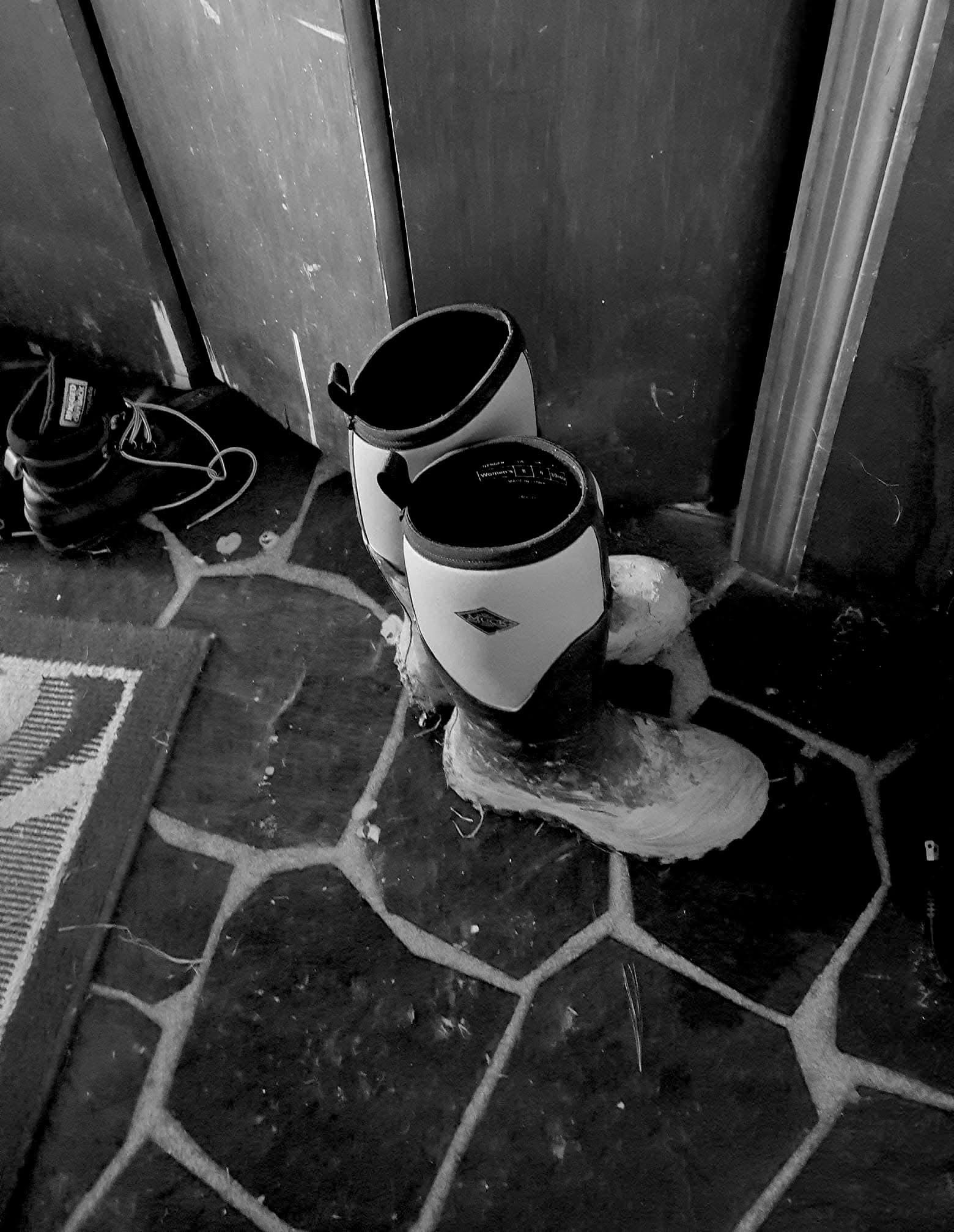
At the time, it was just another feeding, another stall to clean, another bale of hay to move, or another muddy pair of boots left by the door. It was another afternoon spent working or another evening checking that every animal was safe. Only later do we understand how precious those ordinary moments really were.
The barn was also a special place for Cathy and me. We shared countless conversations there—some serious, some lighthearted, and some that probably made sense only to us. We prayed there. We talked about our family, our worries, our hopes, and the future. We shared quiet moments of affection while the horses shifted in their stalls and the outside world seemed far away.
The barn gave us room to slow down.
Life outside could be busy and complicated, but inside those old wooden walls, things felt simpler. Animals needed to be fed. Work needed to be done. Family needed to be loved. Prayers needed to be prayed. Sometimes that was enough to put everything else back into perspective.
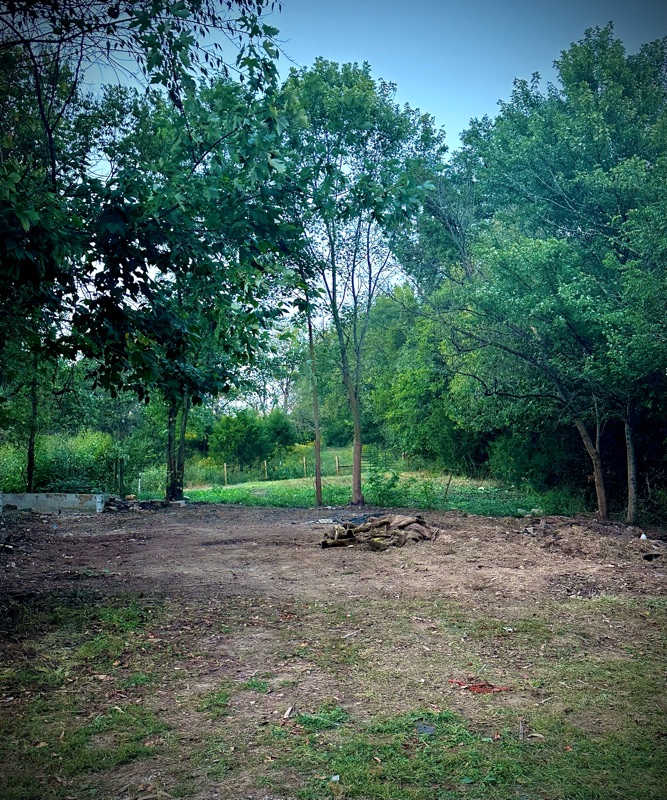
Now the barn is gone, and the place where it stood looks strangely empty. There is a sadness in seeing open space where something so familiar once stood. For years, we could look toward that spot and know exactly what we would see. Now our eyes must adjust to its absence.
But perhaps a barn like that never completely disappears.
Its wood may be gone, but it remains in the stories we tell. It remains in Cathy’s memories of caring for horses as a little girl. It remains in the laughter and hard work of her family. It remains in Brady, Landon, and Alex and in the pieces of childhood they left behind there. It remains in Jasmine and Stormy, and in the memories of every horse that once found shelter beneath its roof.
It remains in, our conversations, our laughter, and our love.
That old barn was never beautiful because it was perfect. It was beautiful because it was used. It was worn because it served generations of people and animals. Its boards were weathered because it stood through countless storms. Its floors were marked because so many feet and hooves had crossed them. Every imperfection was evidence of a life being lived.
Buildings eventually fall. Wood rots, roofs weaken, and familiar landscapes change. Children grow up. Beloved animals leave us. Seasons end, whether we are ready for them to end or not.
But love has a way of preserving what time takes away.
So yes, the old barn is gone. We will miss seeing it and knowing it is there. Yet when we close our eyes, we can still hear the horses, smell the hay, see the cats slipping through the shadows, and remember the voices of the people we love.
The structure may be gone, but the memory remains.
And as long as we continue telling its stories, a part of that old barn will always be standing.
Lonnie